A visual interface for fashion search.
Handles natural-language, occasion-based, and “like-this-but…” queries, what filter panels can’t.
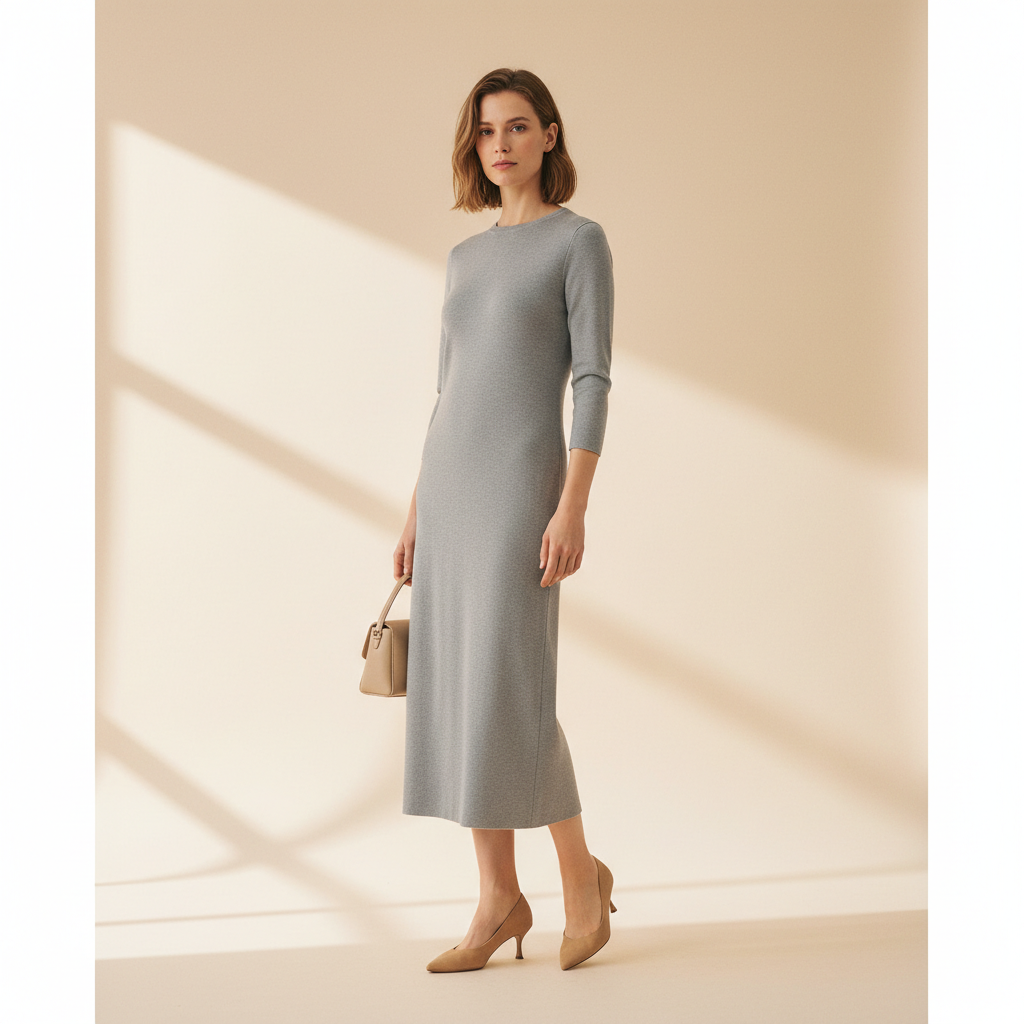 candidate A
 candidate B
Address abandonment rates
When the list interface doesn’t fit the question, shoppers leave. The difference between poor product-list UX and the well-designed kind measures in tens of percentage points.
Increase average order size
Those who stay buy less than they could have. Bad filter design hides most of the catalog from view. Shoppers buy from what they can find, not from what they would have wanted.
Catalogs keep growing; the schemas that organize them don’t. Past a certain size, there are simply more ways a shopper might ask than there are facets to model.
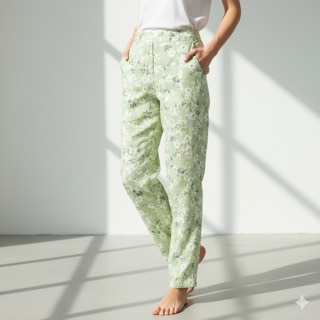
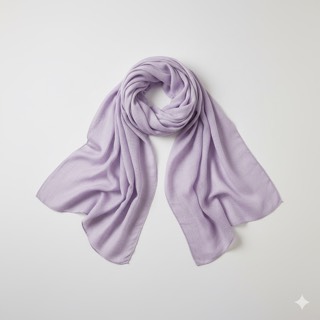
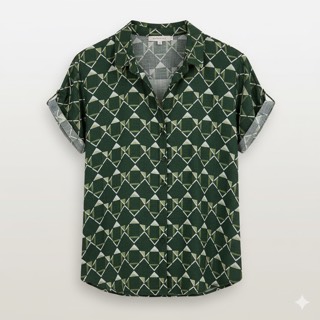
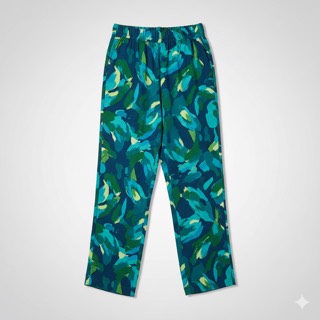
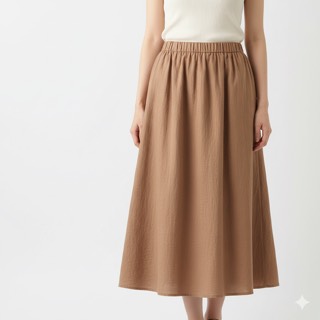
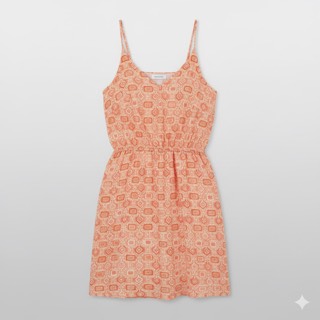

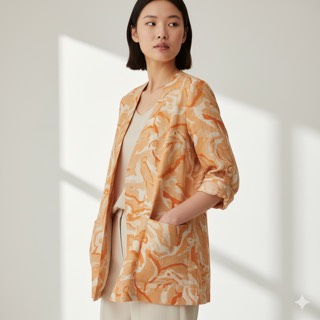
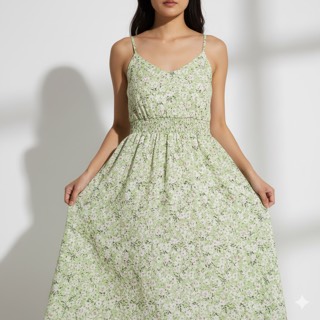
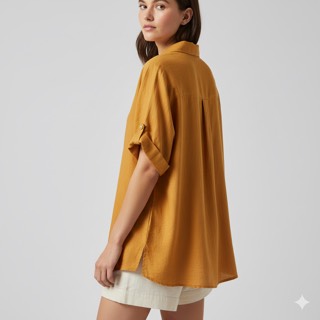
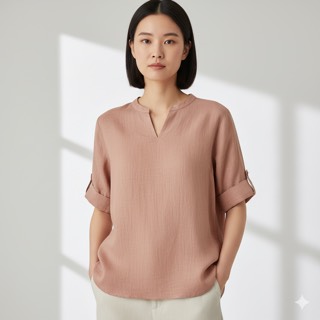
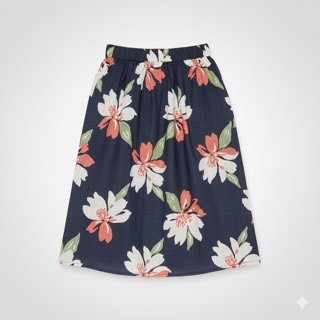
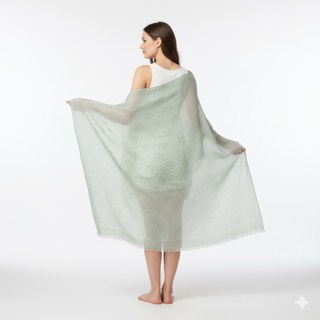

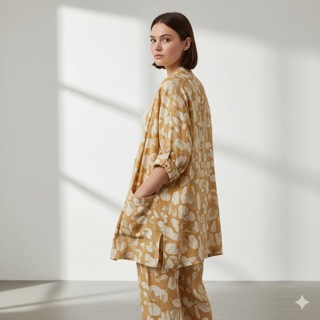
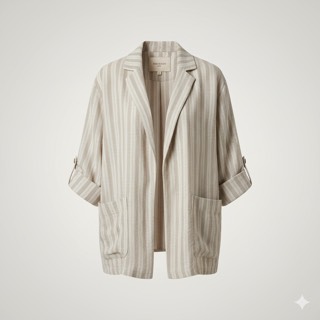
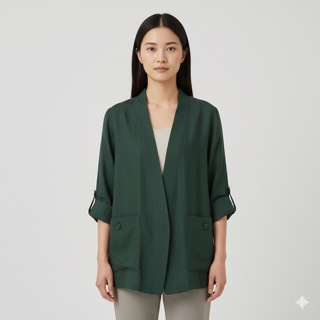
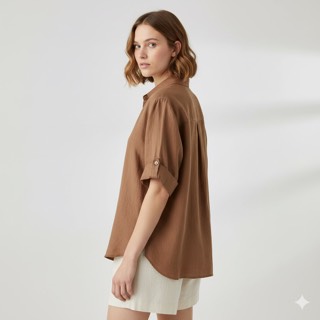
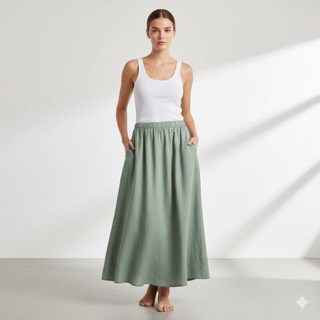
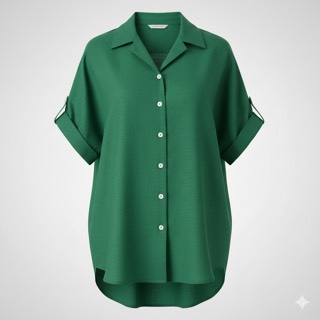
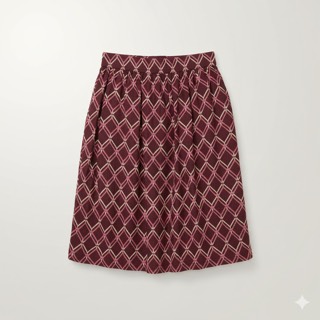
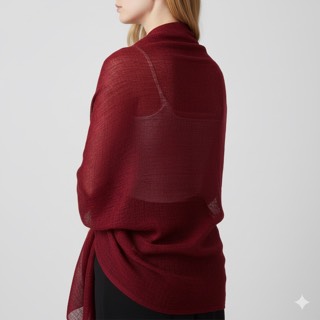

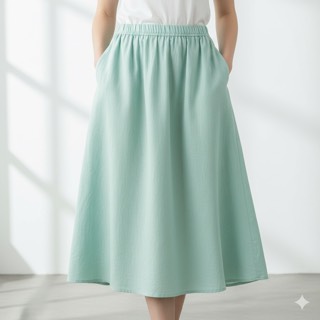
Three ways shoppers find what they want.
Most exploration is visual. Prose is for entry or fine-tuning, not the main interaction.
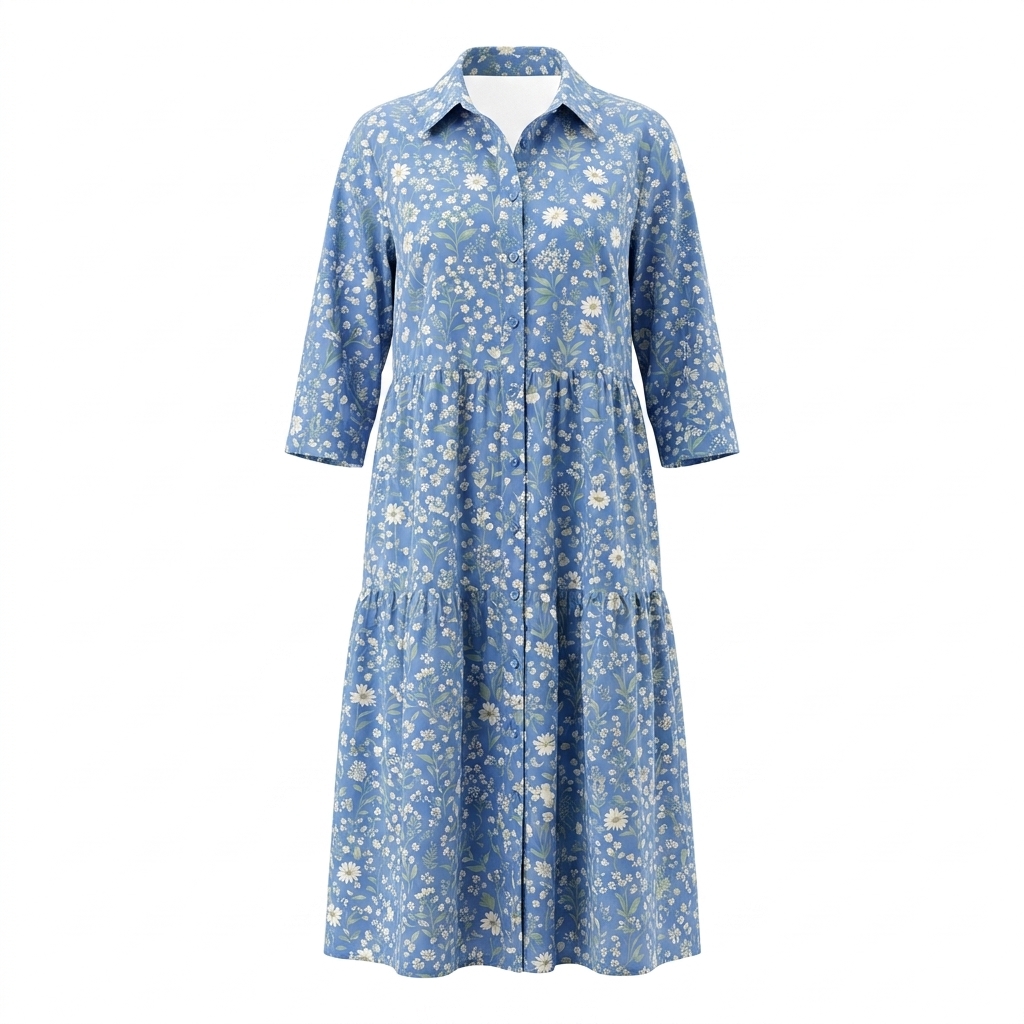
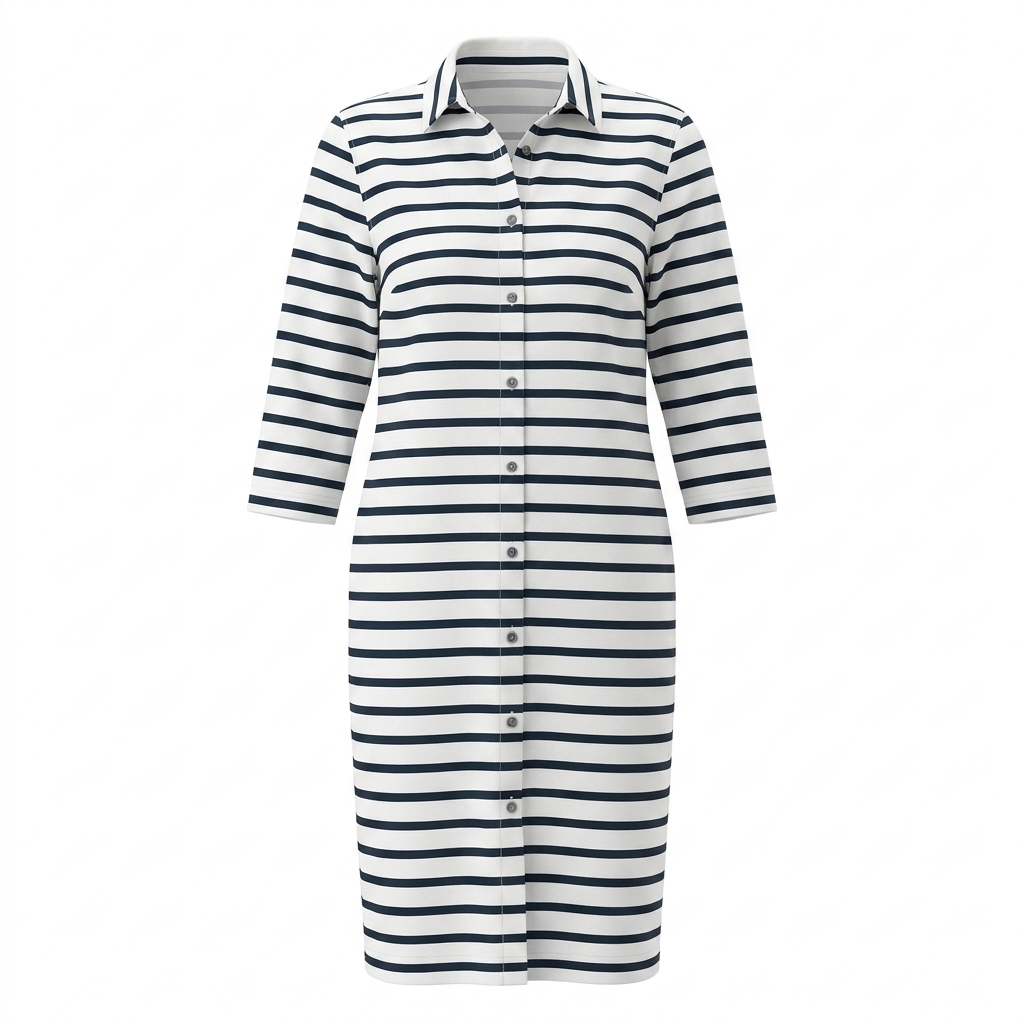
Integration.
xplo plugs in alongside your existing site: as a widget, a dedicated subdomain, or a custom interface. It doesn’t replace your front page. No schema migration, no replatform.
How the engine works.
We use the tools currently available (LLMs, vision models, controlled vocabularies) to address basic shopper needs that filter panels never met. Detailed methodology in the research wiki.
Visual indexing.
Every product gets visually tagged from its photo with attributes like silhouette, palette, formality, and aesthetic. Shopper queries get parsed into the same attributes. Matching uses what’s visually present in the photo, not what the seller put in the product title.
Controlled vocabulary.
The list of attributes (silhouette, pattern, aesthetic, formality, cultural reference) and the values within each. The system builds and extends the vocabulary; we moderate the additions. It isn’t derived from product titles.
Intent parsing.
One LLM step, one job: turning a shopper’s prose into the same structured attributes the rest of the system uses. If the prose has more than one reasonable reading, the engine surfaces both, and the shopper picks.
Vocabulary growth.
The vocabulary grows with shopper language. Queries that don’t fit existing attributes flag gaps; we extend the list to cover them. New aesthetics, new cultural references, new ways of describing fit and feel: all added as they emerge, without breaking older data.
Retailers & brands
We’re onboarding a small group of pilot catalogs. Tell us where you sell and we’ll be in touch.
Investors & research partners
For investor and research-partner inquiries. Reach out and we’ll share what’s relevant for your stage of interest.